Secure conversational AI is critical for businesses to enhance customer interactions while protecting sensitive data. Organizations must prioritize data security, implementing robust encryption and authentication mechanisms to thwart unauthorized access. Common threats include data breaches and human error, making regular security audits indispensable. Transparency in data use fosters customer trust and accountability. By adhering to ethical practices, businesses can guarantee compliance and continual improvement in AI security, setting a solid foundation for their operations ahead.
Key Takeaways
- Implement robust encryption and access controls to protect sensitive data from unauthorized access in your conversational AI systems. Conduct regular security audits to identify vulnerabilities and ensure compliance with industry regulations for your AI solutions. Incorporate multi-factor authentication (MFA) and role-based access controls to enhance user authentication and reduce security risks. Foster transparency by clearly communicating how user data is utilized and the decision-making processes of your AI systems. Prioritize ethical practices and user rights, using feedback to continuously improve your conversational AI and build customer trust.
Understanding the Basics of Conversational AI
Conversational AI represents a transformative technology that enables machines to engage in human-like dialogue.
This technology encompasses various components, including natural language processing (NLP), machine learning, and automated response systems. By utilizing NLP, conversational AI can understand, interpret, and generate human language, allowing for more intuitive interactions.
Conversational AI combines NLP, machine learning, and automated systems to facilitate intuitive human-like interactions.
Machine learning algorithms enhance the system's ability to learn from user interactions, improving response accuracy over time.
Various applications exist, from chatbots assisting customers to virtual assistants managing tasks. These systems can operate across multiple platforms, providing businesses with scalable solutions to enhance customer engagement.
Understanding these fundamentals is essential for organizations looking to leverage conversational AI effectively in their operations, paving the way for more efficient communication and streamlined customer service.
The Importance of Data Security in AI Systems
As organizations increasingly adopt AI systems, ensuring data security becomes vital to protect sensitive information and maintain user trust.
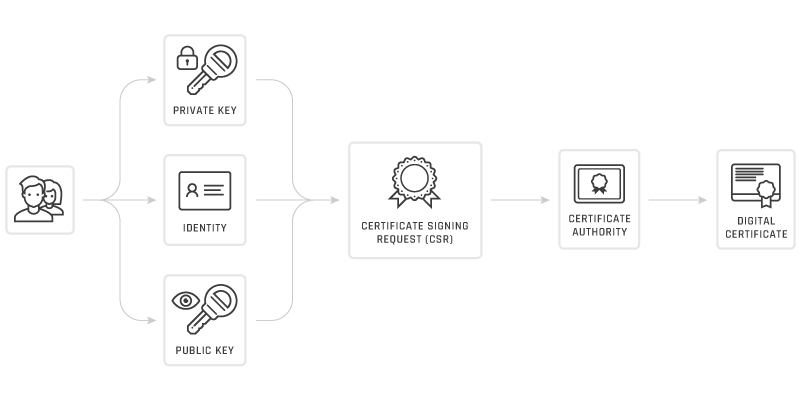
AI systems often process vast amounts of data, including personal and confidential information, making them attractive targets for cyber threats. Effective data security measures are essential not only for compliance with regulations but also for safeguarding organizational reputation.
Implementing robust encryption, access controls, and regular security audits can greatly mitigate risks. Additionally, fostering a culture of security awareness among employees is important, as human error remains a leading cause of data breaches.
Common Threats to Conversational AI Security
Conversational AI systems face significant security threats, particularly concerning data privacy breaches and malicious user manipulation.
These vulnerabilities can compromise sensitive information and undermine user trust.
Understanding these risks is essential for businesses aiming to secure their AI-driven interactions.
Data Privacy Breaches
While businesses increasingly leverage AI-driven chat interfaces to enhance customer interaction, they also face significant risks associated with data privacy breaches. These breaches can occur when sensitive customer information, such as personal identification details and payment data, is inadequately protected.
Insufficient encryption, weak access controls, and unpatched software vulnerabilities often serve as entry points for unauthorized access. Additionally, human errors, such as misconfigured systems or accidental data sharing, can further exacerbate the risk landscape.
As a result, businesses must prioritize robust security measures to safeguard confidential data and comply with regulations. Failure to do so not only jeopardizes customer trust but also exposes organizations to potential legal ramifications and financial losses, emphasizing the need for vigilant data protection strategies in conversational AI systems.
Malicious User Manipulation
How can malicious user manipulation threaten the integrity of conversational AI systems? This form of threat occurs when users exploit vulnerabilities within AI frameworks, aiming to distort the system's responses or functionality.
Manipulative tactics can include sending misleading inputs or orchestrating phishing attempts, leading to unauthorized data access or misinformation dissemination. These actions not only undermine user trust but can also result in significant operational disruptions.
Additionally, attackers may use social engineering techniques to deceive the AI into revealing sensitive information. As conversational AI becomes increasingly integrated into business operations, the potential impact of such manipulations emphasizes the need for robust security measures, ongoing monitoring, and continuous training of AI models to identify and mitigate these threats effectively.
Implementing Robust Authentication Mechanisms
Implementing robust authentication mechanisms is essential for ensuring the security of business interactions through AI platforms. These mechanisms serve as the first line of defense against unauthorized access and malicious activities.
Multi-factor authentication (MFA) is a popular approach, requiring users to provide multiple forms of verification, such as passwords, biometrics, or one-time codes. https://aquipress.com/top-rated-pki-management-platform-unveiled/ Additionally, role-based access controls can limit user permissions based on their responsibilities, minimizing exposure to sensitive information.
Regular audits and updates to authentication protocols further enhance security by addressing vulnerabilities. By prioritizing these strategies, businesses can create a secure environment that fosters trust and protects both company and customer data, ultimately leading to more effective and reliable AI-driven interactions.
Ensuring Data Encryption and Privacy
Following the establishment of robust authentication mechanisms, the next essential step in securing conversational AI for business involves ensuring data encryption and privacy.
Organizations must implement end-to-end encryption to protect sensitive information during transmission and storage. This practice safeguards user interactions from unauthorized access, ensuring that data remains confidential.
Additionally, employing strong encryption protocols, such as AES-256, is crucial for maintaining data integrity. Privacy measures, including data anonymization and minimization, further enhance security by limiting exposure to personally identifiable information.
Businesses should also regularly update their encryption methods to counter evolving cyber threats and comply with data protection regulations.
Regular Security Audits and Compliance Measures
Regular security audits and compliance measures play a pivotal role in maintaining the integrity of conversational AI systems.
These processes guarantee that AI technologies adhere to industry regulations and best practices, thereby safeguarding sensitive information. By conducting systematic evaluations, organizations can identify vulnerabilities and address them proactively, reducing the risk of data breaches.

Compliance with legal standards, such as GDPR or HIPAA, not only protects user data but also enhances customer trust.
In addition, regular audits facilitate continuous improvement by integrating feedback and adapting to evolving security threats.
Ultimately, these measures create a robust framework that supports secure AI deployment, assuring that businesses can confidently leverage conversational AI while minimizing potential risks associated with data security and privacy.
Best Practices for Developing Secure AI Solutions
While developing secure AI solutions, organizations must prioritize a proactive approach that incorporates security at every stage of the development lifecycle.
This begins with conducting thorough risk assessments to identify potential vulnerabilities and threats. Organizations should implement robust data protection measures, including encryption and secure storage, to safeguard sensitive information.
Regular training for development teams on security best practices is essential to guarantee awareness of emerging threats and compliance with regulations.
Additionally, integrating security testing into the development process allows for early detection of vulnerabilities.
Collaboration with security experts can enhance the overall security framework.
Finally, maintaining thorough documentation of security protocols and updates facilitates accountability and continuous improvement in AI security practices.
Building Customer Trust Through Transparency and Accountability
Proactive security measures alone are not sufficient to foster customer confidence in AI solutions; transparency and accountability are equally essential.
Businesses must openly communicate how AI systems operate, including data usage and decision-making processes. This openness helps demystify AI technologies, allowing customers to understand and trust their functionalities.
Additionally, establishing clear accountability structures guarantees that organizations take responsibility for AI outcomes, reinforcing customer trust. Regular audits and feedback mechanisms can further enhance this trust by demonstrating a commitment to ethical practices and user rights.
FAQ
How Can I Choose the Right Conversational AI Platform for My Business?
When choosing the right conversational AI platform, several key factors must be considered.
First, evaluate the platform's capabilities in natural language processing and machine learning.
Next, assess integration options with existing systems and platforms.
Scalability and customization features are also essential, allowing the solution to grow with the business.
Additionally, reviewing user feedback and support services can provide insights into the platform’s reliability and user satisfaction, ensuring an informed decision.
What Are the Costs Associated With Implementing Secure Conversational AI?
Implementing secure conversational AI can be like steering through a labyrinth, fraught with hidden costs and unexpected turns.
Expenses often include initial software acquisition, ongoing maintenance, and necessary security measures. Training staff to effectively use the system adds another layer to the financial tapestry.
Additionally, integration with existing technology and potential upgrades can further inflate costs. Therefore, an all-encompassing understanding of these elements is vital for businesses anticipating this transformative journey.
How Do I Train My Team to Use Conversational AI Securely?
Training a team to use conversational AI securely involves several key steps.
First, it is vital to provide thorough training on data privacy and security protocols. Regular workshops can help reinforce best practices.
Additionally, developing clear guidelines for interacting with the AI system is essential. Role-playing scenarios can enhance understanding of potential risks.
Finally, ongoing assessments and updates will guarantee that the team remains informed about evolving security measures and technologies.
Can Conversational AI Integrate With Existing Business Systems and Software?
Many may worry that integrating conversational AI with existing business systems is too complex.
However, these technologies are designed for compatibility. Conversational AI can seamlessly integrate with various software, such as CRM systems, databases, and communication tools.
This integration enhances efficiency, enabling real-time data access and improved customer interactions. With proper implementation, businesses can leverage their current systems while benefiting from the advanced capabilities that conversational AI offers, streamlining operations considerably.
What Support Options Are Available for Troubleshooting Conversational AI Security Issues?
When addressing troubleshooting for conversational AI security issues, various support options are available.
Organizations can access dedicated technical support teams that specialize in AI security. Additionally, extensive documentation and online resources, including FAQs and troubleshooting guides, can facilitate quick resolution.
Some companies also offer community forums for user interaction and knowledge sharing.
Finally, regular updates and patches from the AI provider can help prevent security vulnerabilities and enhance overall system integrity.
Conclusion
To sum up, securing conversational AI systems is paramount for businesses aiming to leverage this technology effectively. With a staggering 60% of organizations experiencing a data breach due to inadequate security measures, the need for robust protocols cannot be overstated. By implementing strong authentication, ensuring data encryption, and adhering to compliance standards, businesses can protect sensitive information while fostering customer trust. Ultimately, a commitment to security not only safeguards data but also enhances the overall user experience in conversational AI applications.